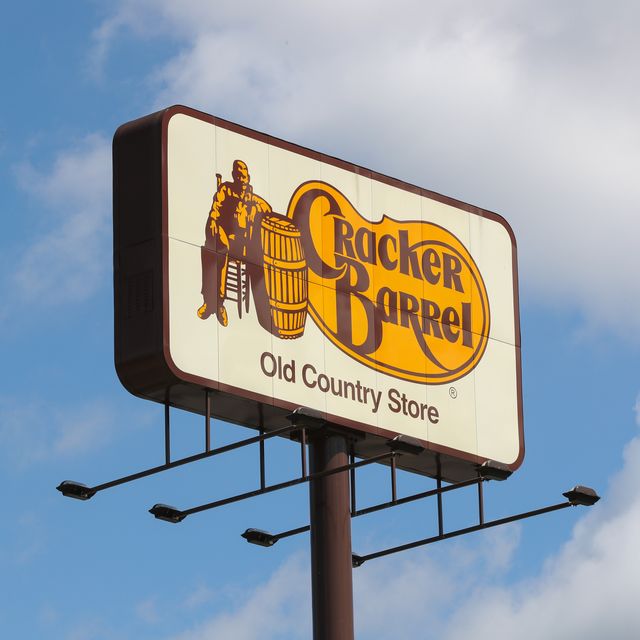
When Cracker Barrel unveiled its recent rebrand, the internet had thoughts—lots of them. From memes to outrage to measured applause, the reaction proved one thing: people feel deeply about the brands they’ve grown up with.
But here’s the truth: backlash doesn’t necessarily mean the rebrand was a mistake. In fact, it can signal that a brand tapped into something powerful that people don’t like to see disrupted—whether it’s identity, nostalgia, or tradition.
As a healthcare copywriter with a background in branding, I’ve watched plenty of companies wrestle with this same tension. They know they need to evolve to stay relevant, but they’re terrified of alienating the very people who made them successful. So how do you know when it’s really time to rebrand, and when you should hold steady?
Why Brands Rebrand (The Right Reasons)
A smart rebrand usually begins with necessity, not novelty, and a ton of research and strategy. Sometimes a company has outgrown the original identity, which no longer reflects what they do, who they serve, or the values they stand for. Other times, the audience itself has shifted. A brand that once spoke to a narrow segment now needs to connect with a broader, more diverse group. I see this a lot in healthcare, where companies expand their communications beyond patients to include caregivers, providers, and even payers. Suddenly, the old language and visuals feel incomplete.
And then there are brands that simply feel stuck in another era. What worked in 1999 might feel tired—or worse, tone-deaf—in 2025. Competitors get sharper, bolder, fresher. You start to notice that your materials look out of place in the market. That itch often signals it’s time to rethink.
When Rebrands Go Wrong
Of course, not every rebrand is a good one. Trouble starts when companies change for change’s sake, or when they strip away too much of what made the brand beloved in the first place. Brand equity isn’t just a logo; it’s the emotional shorthand people carry with them—the memories tied to your colors, your tagline, even your font. Toss that out without explanation and customers feel like you’ve tossed them out too.
This is where Cracker Barrel stumbled. The redesign may very well serve the brand’s future, but the rollout didn’t bring people along for the ride. Without a story to explain why the change mattered, nostalgia and resistance filled the silence. People weren’t just reacting to a new logo. They were reacting to what they feared it meant: that their memories weren’t relevant.
Signs It’s Time to Rebrand
So how do you know if your brand is actually due for a refresh or if you’re just feeling restless? The clues are usually hiding in plain sight. Maybe your look and feel no longer resonate with the people you most want to reach. Maybe your messaging feels fragmented, with your website saying one thing, your social channels another, and your sales decks yet another. Maybe you’re attracting the wrong audience entirely, or worse, failing to reach the right one.
The most telling sign, though, is when your brand no longer reflects your reality. You’ve grown, pivoted, or modernized, but your identity is still stuck in the past. That disconnect is what creates friction, both inside your company and out in the market.
The Takeaway
At its best, a rebrand should feel like an evolution, not an erasure. It’s not about discarding the past; it’s about reimagining it for the future. And yes, people may push back at first. That’s not always a sign you got it wrong. It might just be a sign your brand matters enough for people to care.
The real question isn’t, “Will everyone love this instantly?” Instead, ask, “Does this identity align with who we are today and where we’re headed tomorrow?” If the answer is yes, then the risk of short-term backlash is worth the long-term clarity.
Because if you’re asking yourself whether it’s time, it probably is. The key is making sure the decision is guided by strategy, not panic.
 Sara Barton
Leave a comment