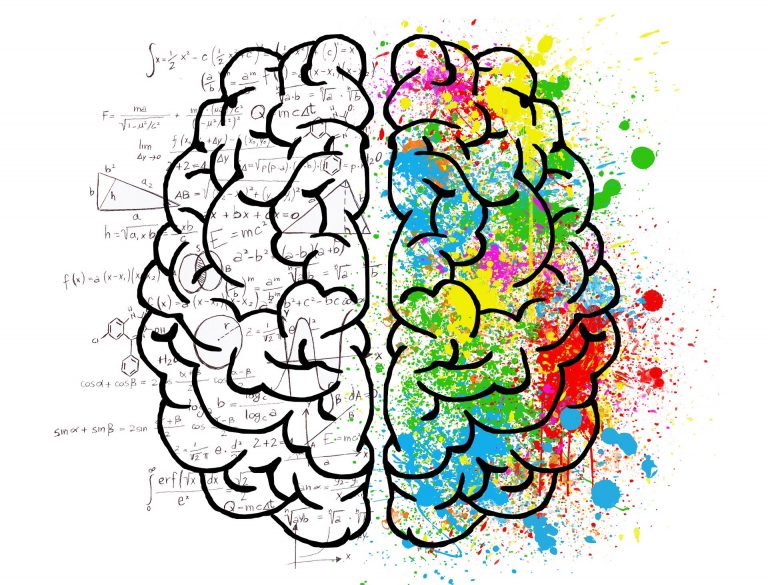
If you strip away the trends, the templates, and the “ultimate guide” posts that promise to change your life, great copy really comes down to one thing: understanding how humans think. Not in a manipulative way, but in a “we’re-wired-this-way, so let’s make communication easier” kind of way.
As a copywriter who’s spent the better part of two decades writing for brands that cannot afford to get it wrong (looking at you, healthcare), I’ve learned that persuasion isn’t about pushing harder. It’s about meeting people where their brains already are.
Understanding some of the psychological principles that quietly power the strongest copy can help you create messages that resonate, convert, and build real trust.
The Brain Loves Shortcuts
Our brains burn more calories than any other organ, which means they’re constantly looking for ways to conserve energy. Enter: cognitive ease. The easier something is to read or understand, the more trustworthy it feels.
That’s why simple beats clever. Why “Get started” often outperforms “Activate your transformational journey.” It’s also why your audience will thank you for clear headers, clean structure, and sentences that don’t sound like they’re competing for a Pulitzer. If your copy requires a decoder ring, you’re going to lose your audience.
People Decide Emotionally, Then Justify Logically
We like to think we’re rational creatures. We’re not. Whether someone is choosing a new running shoe or evaluating a therapy for a serious condition, emotion sparks the initial interest and logic steps in to validate the decision. This is why storytelling is powerful. It creates context. It creates feelings. And it quietly answers the question your audience is always asking: “Is this for someone like me?”
Once you have the emotion, then you deliver the facts, features, or data. Whatever your world requires.
Social Proof Is Human Nature, Not Hype
Humans are herd animals with Wi-Fi. We look around to see what others are doing before we decide what we should do. That’s why testimonials, case studies, provider quotes, and “90% of plans now cover…” statements carry so much weight. They give audiences something to model their decisions after. If other people trust you, the leap feels smaller.
Loss Aversion Is Real, So Don’t Weaponize It
Behavioral economics tells us that people are more motivated by avoiding loss than by gaining something new. But that doesn’t mean your copy should slide into fear-mongering. Instead, frame your message around what your audience could miss out on if they don’t take action. Keep it honest, not alarming—the goal is urgency, not anxiety.
We Follow Messages That Feel Like They Were Written for Us
One-size-fits-all copy is easy to spot and even easier to ignore. When your language reflects the real words, worries, and world of your audience, they lean in. This is why persona-driven messaging isn’t just a branding exercise, it’s a psychological one.
Whether I’m writing for HCPs, brand teams, or busy creatives scrolling LinkedIn between meetings, the work is the same: Show them you get them, and then show them what’s next.
Clarity Builds Trust (and Trust Builds Everything Else)
We live in a world where hype is high and attention spans are low. The brands that win aren’t the loudest. They’re the clearest. When your message is transparent, specific, and grounded in reality, you create psychological safety. The reader relaxes. They believe you. They stay. Clarity is persuasive because clarity feels like truth.
Bringing It All Together
Persuasive copy isn’t a magic trick—it’s psychology applied with care. It’s understanding what motivates people, what reassures them, and what helps them make confident decisions. And when you combine that psychology with clean writing, strong structure, and a genuine respect for your audience? You get words that don’t just work. They connect. They convert. They last.
Image credit: https://www.flickr.com/photos/jaselabs/4294058222
 Sara Barton
Leave a comment